
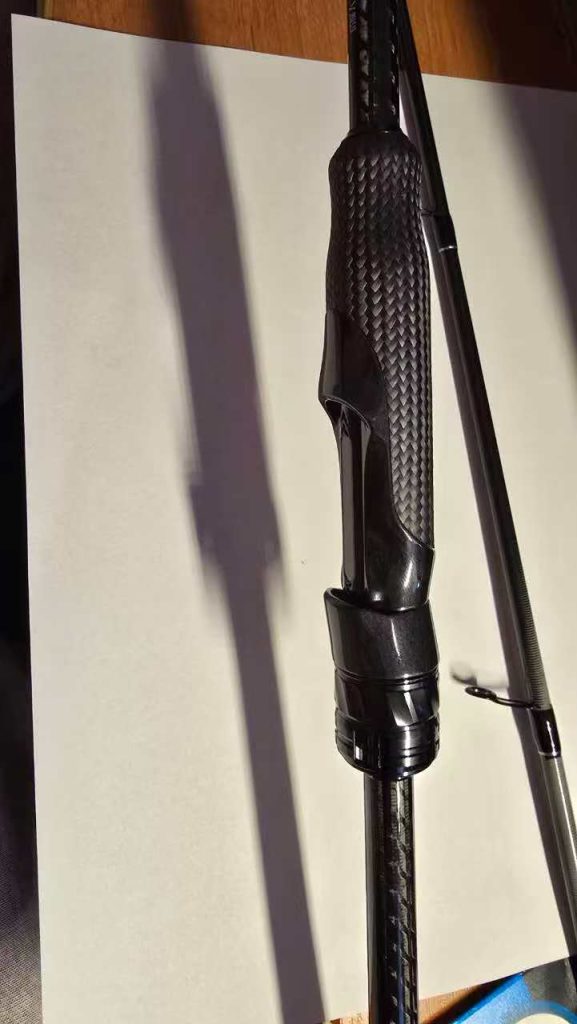
Starting your own fishing rod brand can be an exciting but challenging journey. Many aspiring entrepreneurs underestimate the technical details that make a rod perform well. From choosing the right materials to ensuring proper balance and guide alignment, every decision affects the final product and your brand reputation. In this guide, I’ll share practical tips to help you start smart, avoid common mistakes, and create rods that anglers love.
1. Understand Your Market
Before designing your first rod, it’s crucial to understand your target audience. Are you focusing on bass fishing, fly fishing, or general-purpose rods? Research existing brands, check their product offerings, and read customer reviews to learn what anglers value most. Identifying gaps in the market helps you create rods that meet real needs rather than just following trends.
Consider the following questions:
- Which type of fishing is most popular with your target customers?
- What price range do they prefer?
- Which features are most appreciated—sensitivity, durability, or aesthetics?
Answering these will guide your design and material choices.
2. Choose the Right Product Type
Not all rods are created equal. Bass rods are versatile and widely used, making them a popular choice for new brands. Jig rods require precise design for lure control, while fly rods target a more specialized audience. Decide which type fits your brand vision and customer base before investing in materials. Starting with a clear product focus makes it easier to develop your brand identity and marketing strategy.
3. Select Materials and Components Carefully
Material choice is critical for both performance and customer satisfaction. Here’s a quick overview:
- Rod Blank: Carbon fiber offers high sensitivity, ideal for detecting subtle bites. Fiberglass is more durable but less responsive. Hybrid blanks strike a balance between the two.
- Handle: EVA handles are durable and cost-effective, while cork provides a premium feel. The handle affects comfort and rod control.
- Guides: High-quality guides, such as Fuji, reduce line friction and improve longevity. Cheap generic guides may save costs initially but can affect performance and customer perception.
Remember: every detail contributes to your brand’s reputation. A small investment in quality materials can make a big difference.
4. Start with Small Batch Production
For a new brand, small batch production is your best friend. Producing 10–50 rods first allows you to test the market, gather feedback, and refine designs without large financial risk. Inspect every rod carefully for balance, sensitivity, and guide alignment. Adjust your design based on feedback before committing to a larger order. This strategy minimizes mistakes and ensures consistent quality for your early customers.
From our experience working with startup fishing rod brands, most clients prefer to start with a prototype sample.After testing the sample rod, they usually place a small initial order (typically around 100 pieces). Some brands even request just a few rods for further testing before committing to a larger order.This helps them evaluate rod balance, performance, and build quality before full production, which is important because new brands want to protect their reputation in the market.
5. Test and Refine
Testing is essential. Check rod balance, perform bend and casting tests, and verify guide alignment. Ask experienced anglers for feedback on feel and performance. This process ensures that when your rods reach the market, they are both functional and desirable.
Conclusion
Starting a fishing rod brand is exciting, but preparation is key. Remember:
1️⃣ Balance your rods carefully
2️⃣ Choose the right materials
3️⃣ Start with small batches and test thoroughly
If you’re ready to create high-quality rods without the stress of large orders, we can help you with small-batch production and guidance every step of the way. Feel free tocontact us to start your journey toward building a successful fishing rod brand.